More money for the NHS with a tax on unhealthy foods
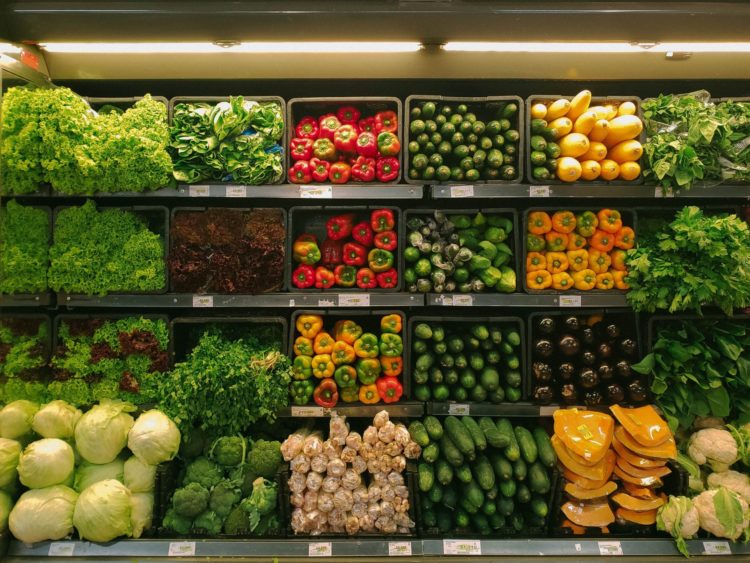
The recent ban on junk food advertising to our kids is a step in the right direction, but companies that make millions from selling unhealthy foods to us and our families need to pay more. The NHS is already spending billions on treating obesity — a figure set to rise to over £9.7 billion a year by 2050.
The Soft Drinks Industry Levy (SDIL) incentivised food companies to make healthier products without harming sales or profitability. The government has started the process of expanding this levy to more products; a potential ‘milkshake tax’ is positive, but the government should build on this and introduce a salt and sugar levy for all foods. A proposed sugar and salt reformulation tax could benefit public health and generate between £2.9 billion and £3.4 billion per year — funding that could go directly to the NHS.
Dirty air is the largest environmental risk to health
Four in five people in the UK live in cities. Poor air quality causes long-term illness and contributes to around 43,000 deaths each year. It disproportionately affects people who live in lower-income neighbourhoods and are from minoritised communities. Ella Adoo-Kissi-Debrah, a nine year-old girl who died in 2013 after a fatal asthma attack, became the first person in the UK to have air pollution listed as a cause of death. She lived next to the South Circular Road in Lewisham, South London. Her death was tragic, but it wasn’t inevitable.
Taking action at both local and national government level can have a positive impact. Recent data from the Mayor of London shows that London’s expanded Ultra Low Emission Zone is helping people across the capital to breathe cleaner air.
Tackling air pollution should be a win for public health and the environment. However, fresh plans to allow wood-burning stoves – a major source of air pollution – in new homes are simply a failure of common sense and a regressive step. Evidence from the Chief Medical Officer shows that wood-burning stoves emit 500 times more harmful particles than gas boilers. This is on a par with the harm done by fumes from car exhausts and needs to be taken seriously.
Instead of taking a step backwards, a national health plan should include clean air as a top priority.
Affordable homes for healthier lives
Housing must be part of a national health plan too. Good homes support people to stay healthier. Public Health England recognises that precarious housing increases people’s risk of developing mental and physical health conditions. Housing costs more than ever. Poor housing is taking money out of the pockets of people who can’t afford it and then making them sick. The worst living conditions are in the private rented sector, where insecure, poor-quality housing is compounded by a lack of support and protection for tenants.
The government’s ambitious housing targets, and additional commitments of £2 billion more for affordable homes, is not NHS spending, but if done right, it can support our health. Government should not compromise on standards, should build good quality homes, and support a well-regulated private rental sector – this can be a solid foundation for population health.